

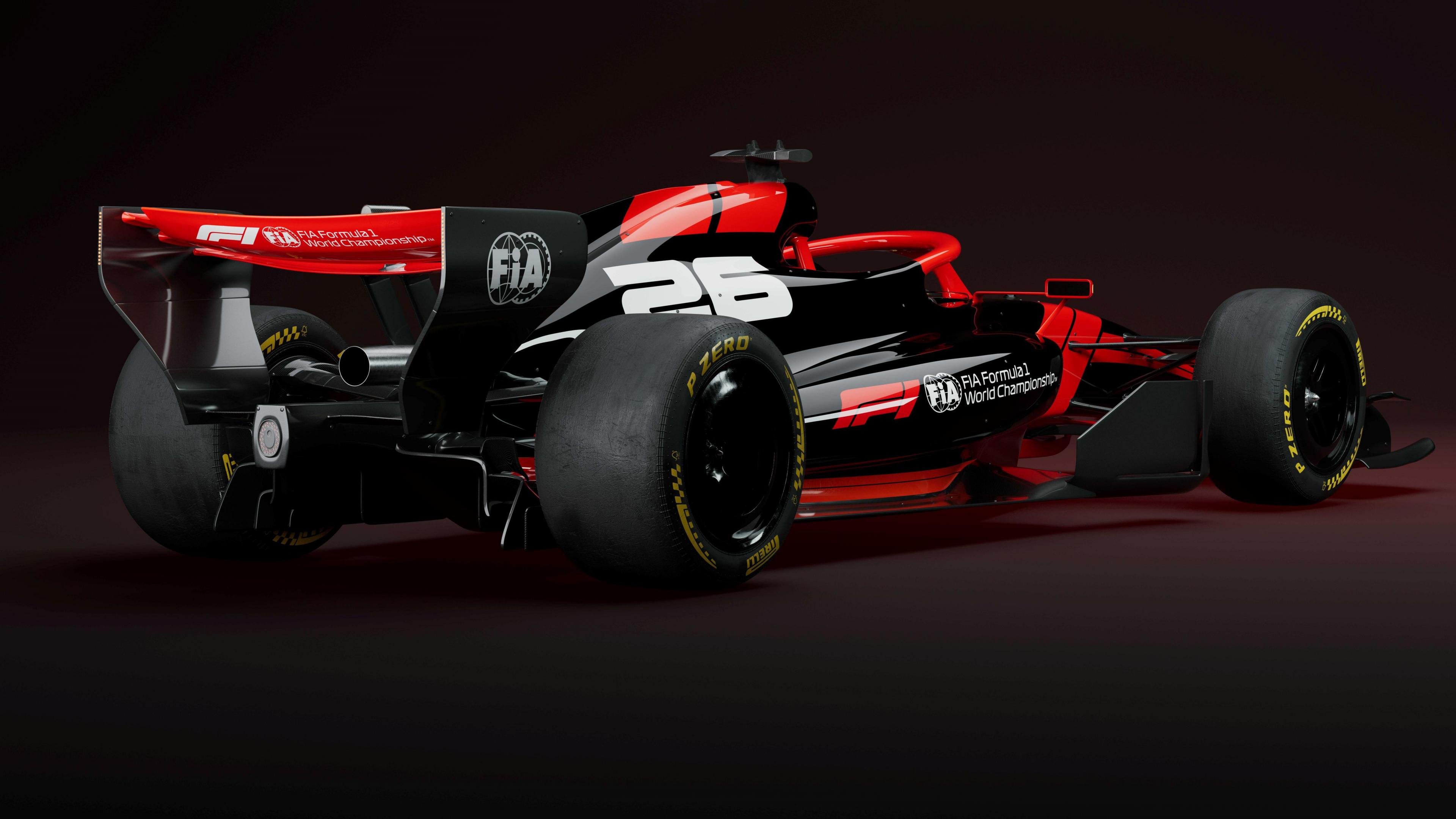
The 2026 Formula 1 cars are designed to be smaller, nimbler and more environmentally friendly relative to present-day cars.
The world of Formula 1 has revealed the new vocabulary that will be used to describe the intricate details of its new 2026 regulations.
The racing series is implementing what is considered the most significant regulation change in its competitive history starting in 2026, featuring fresh chassis and power unit regulations and the compulsory introduction of 100% sustainable fuels.
The revised engines, which maintain the 1.6-litre V6 configuration, boast a greatly enhanced energy storage, necessitating significant developments in the aero packages.
Over a race distance, pilots will tactically deploy battery power – potentially on hot laps – to extract the optimal lap time.
Wide-ranging research were undertaken with a diverse audience, including dedicated enthusiasts and casual observers, to understand which phrases would aid comprehension of the central aspects of the 2026 changes.
The stated goal was to make a range of advanced technical aspects of the racing as accessible as possible for the global fanbase.
Consequently, older technical labels for some systems – such as "alphabetical mode names" for the adjustable aero – have been discarded in preference for intuitive labels that succinctly convey the actual function of the innovation.
Exploring the New Tech
According to rule-makers that racers will have greater control to make decisions regarding energy deployment, harvesting, and saving energy.
The upcoming changes feature a series of modes that will be shown on broadcast screens to improve the viewers' comprehension of the on-track action.
- Overtake Mode: This takes over from the current DRS. It provides a short boost of battery power available when a competitor is within one second the vehicle in front to execute an pass.
- Extra Push Mode: This is a manual power boost from the hybrid system that can be deployed for offensive or defensive moves. It delivers the pilot peak output at the click of a switch.
Both of these key functions will have to be used with calculation, as the available electrical charge is capped.
- Active Aerodynamics: Both the front and rear wings move automatically – opening on the long straight sections for reduced drag and higher speed, and sealing in the turns for maximum downforce.
- Battery Recharge: Cars can harvest energy with power recovered from braking, or during throttle lift at the conclusion of a straight or in certain corners where only partial power is used.
What's Changing on the Cars?
The 2026 cars will be more compact and lighter compared to the 2025 spec, with a wheelbase cut by 200mm to 3,400mm, overall width reduced by 100mm – down to 1,900mm – and the minimum weight lowered by 30kg.
Total aerodynamic grip is anticipated to be reduced by approximately a significant margin, although constructors will inevitably claw this back as they optimize their packages.
Aerodynamic drag has been slashed by 40%. The vehicles will employ active aerodynamics – both wings will open on the straights to reduce drag and enhance velocity and click back into place for maximum cornering performance.
Tyres will retain 18-inch wheel rims, but the rubber compounds will be slimmer, by a quarter-centimetre on the front and three centimetres on the rear.
What's Changing in the Engines?
The new power units will have an approximate 50-50 split in power produced by the ICE and the battery and motor, increasing from about 20% electrical in the current formula.
The ERS setup is made less complex through the removal of the complex turbo energy recovery device, the sophisticated and pricey component that generated electricity from the turbocharger.
All vehicles will be required to run on 100% sustainable fuel, created from plant-based materials or lab-created processes.


